Why I’ve Added Laser Therapy to My Clinical Toolkit
Feb 23, 2026Over the years, I’ve become increasingly selective about the tools I use in clinical practice.
Not because I’m anti-technology - but because I’m deeply pro appropriate, purposeful intervention.
If you’ve followed my work for any length of time, you’ll know I don’t believe in chasing symptoms or relying on single solutions. Pain, injury, and movement dysfunction are rarely the result of one isolated issue. They’re the outcome of how the entire system is coping , or compensating.
So when I decide to add something new to my clinical toolkit, it has to earn its place.
Laser therapy did.
Why I Was Initially Cautious About Laser
Like many clinicians, I was wary of laser being positioned as:
-
a quick fix
-
a passive treatment
-
something done to the patient rather than with them
That didn’t sit well with my rehab philosophy.
I did a locum here in Perth at an established well respected Podiatry Clinic and got to experience Laser first hand.
So I decided to explore the research, observed how colleagues were integrating it, and reflected on my own clinical challenges , particularly with pain-dominant, sensitised, or chronically overloaded presentations - I began to see laser differently, and how it can be a useful tool in treating Lower body presentations.
Not as a solution.
But as a supportive tool.
What Laser Therapy Actually Does (Without the Jargon)
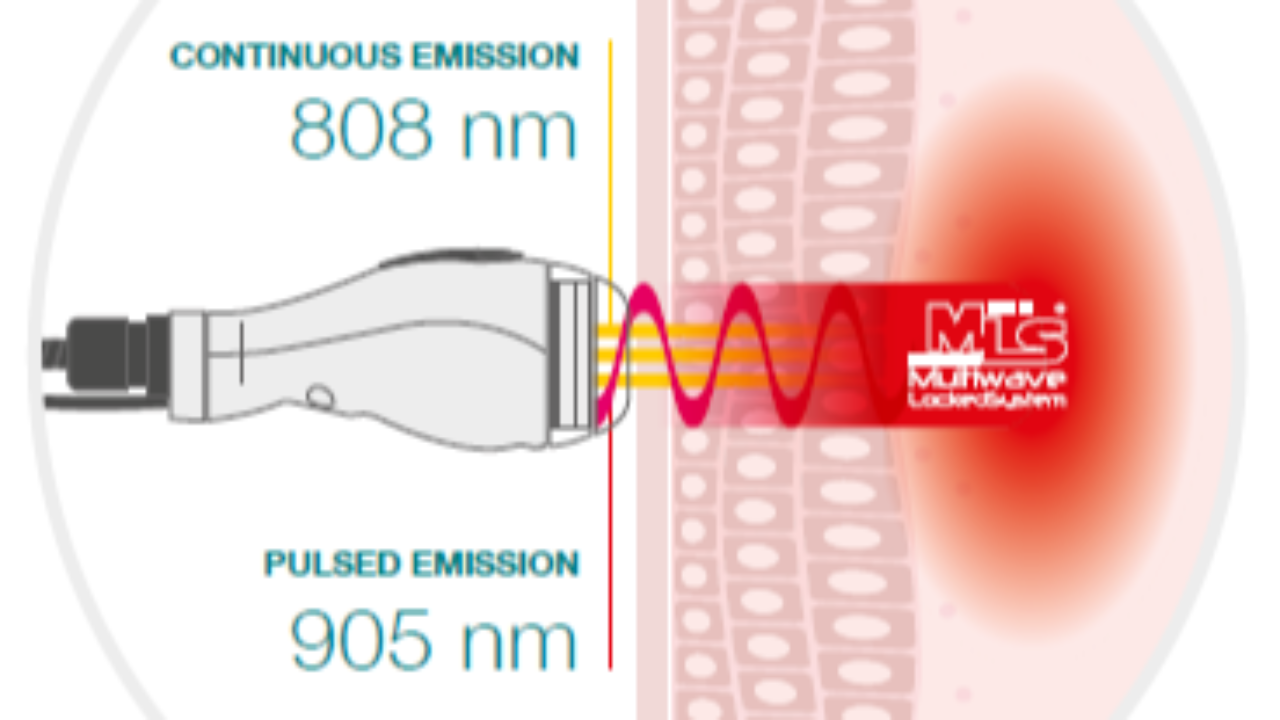
Laser therapy uses specific wavelengths of light to interact with tissue and the nervous system.
In practical terms, this can help:
-
calm irritated tissue
-
reduce protective muscle tone
-
improve local circulation
-
support tissue recovery
-
reduce pain sensitivity
Most importantly, it can help the body feel safe enough to move.
And when movement becomes safer, rehab becomes possible.
Where Laser Has Been Most Useful Clinically
1. Acute Injuries
In early-stage presentations , ankle sprains, tendon flare-ups, post-overload pain - especially those with oedema, laser can help settle symptoms enough to allow early, appropriate movement rather than prolonged rest.
2. Chronic Pain Presentations
Persistent pain is rarely just a tissue problem. The nervous system is often heavily involved.
Laser can help reduce background sensitivity, allowing patients to:
-
tolerate movement again
-
engage with rehab
-
rebuild confidence in their body
3. Tendon & Fascia-Dominant Conditions
Conditions like Achilles pain or plantar heel pain still require loading and control.
Laser doesn’t replace that work , but it can support tissue recovery between sessions, especially when pain has been limiting progress.
4. When Rehab Has Stalled
Sometimes the exercises are right, the intent is there , but pain keeps flaring.
Laser can act as a bridge, helping calm the system while control and capacity are rebuilt.
What Laser Is - and Isn’t
This matters.
Laser is not:
-
a cure
-
a stand-alone treatment
-
a substitute for movement, strength, or control
Laser is:
-
a support tool
-
a way to calm the system
-
something that helps the body tolerate rehab better
Used strategically, it complements , rather than competes with , good rehabilitation principles.
Why This Matters for Modern Rehab
Rehab doesn’t fail because people don’t try hard enough.
It often fails because:
-
pain dominates the system
-
threat remains high
-
movement doesn’t feel safe
Laser gives us another way to reduce noise, so the real work can begin.
That’s why it’s now part of my clinical toolkit.
Not as a headline act , but as a valuable supporting player.
Watcvh this space as I delve into using this tool within my clinical cases - So very excited.