Blog
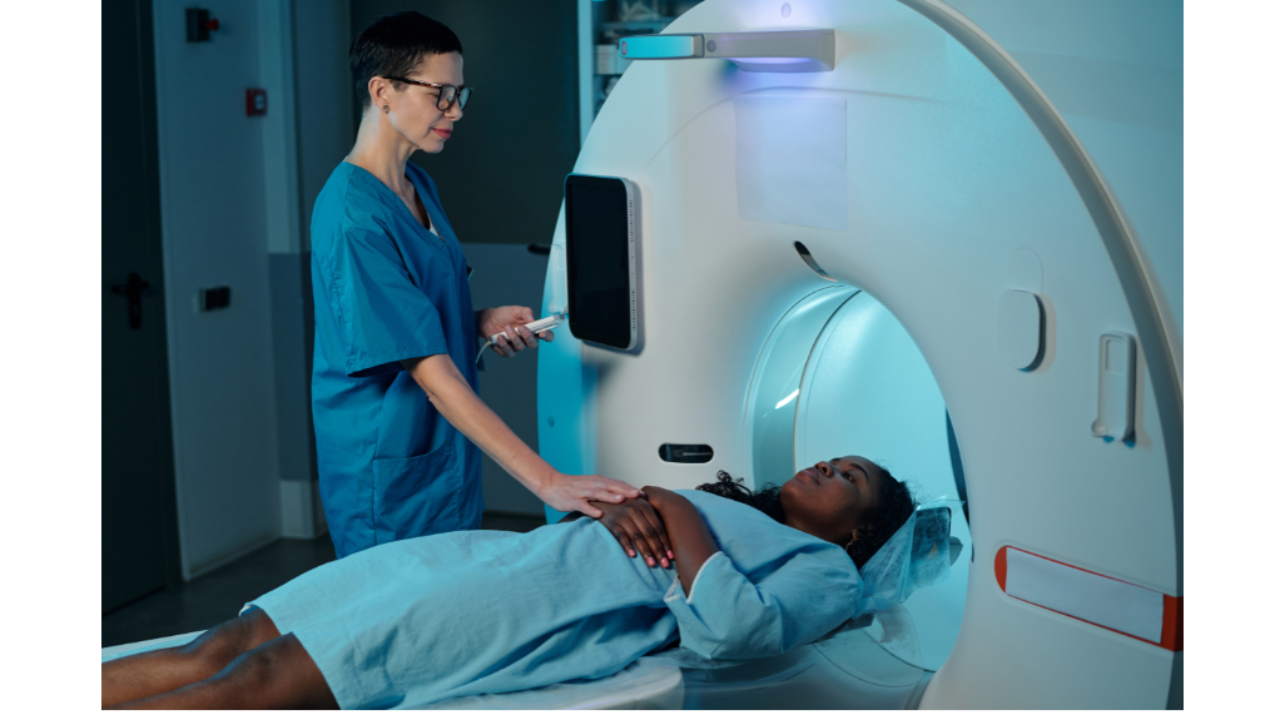
One of the most frustrating things a person can hear is:
“Your scan looks fine.”
Or perhaps:
“There’s nothing significant showing.”
For someone experiencing persistent pain, reduced confidence, difficulty running, walking, exercising or simply getting through daily life, that can feel incredibly...
Why hamstrings remain a top AFL injury
Hamstring strain injuries are not a “new” problem in elite Australian football and the numbers show they’re still a major burden. In the AFL’s 2023 season injury reporting, hamstring strains were the highest-incidence injury category (4.71 hamstring strains pe...
You can strengthen a muscle as much as you like… but if it doesn’t fire at the right time, it’s not doing its job.
This is one of the biggest misconceptions in both rehabilitation and injury prevention. Many people assume that if they simply build strength, injuries will disappear.
It sounds logic...
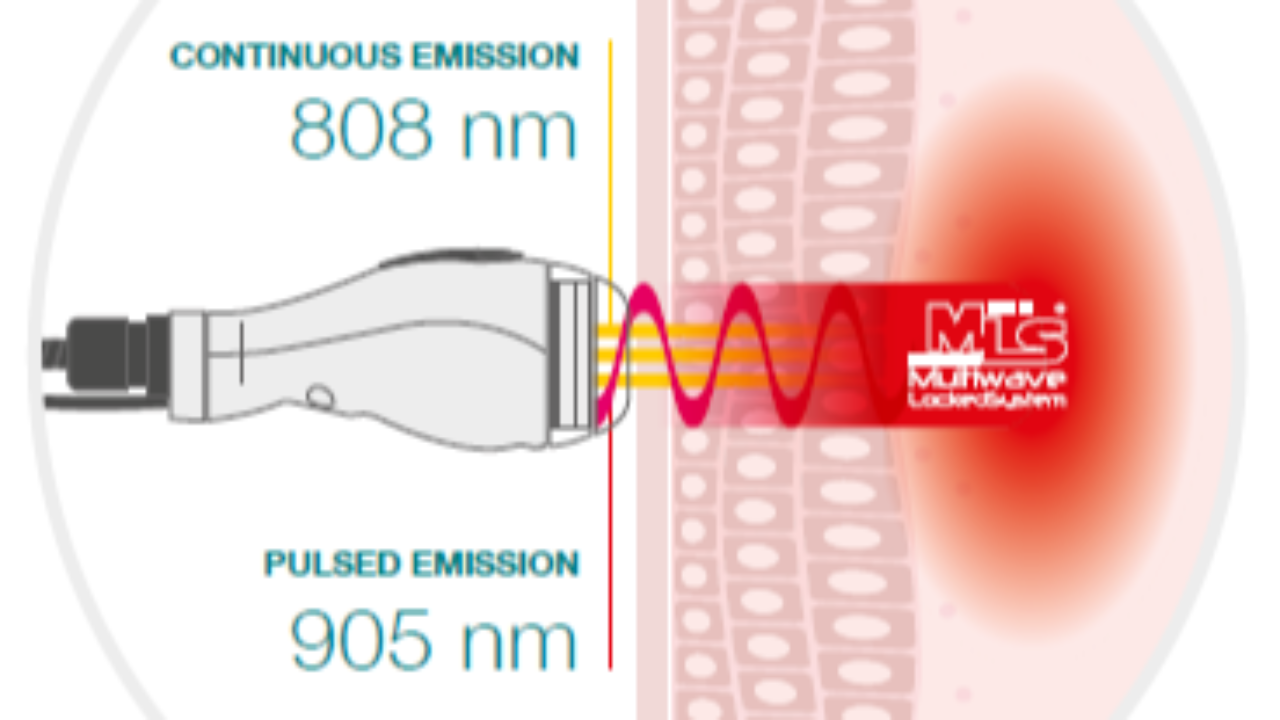
Over the years, I’ve become increasingly selective about the tools I use in clinical practice.
Not because I’m anti-technology - but because I’m deeply pro appropriate, purposeful intervention.
If you’ve followed my work for any length of time, you’ll know I don’t believe in chasing symptoms or re...

One of the most common frustrations for both clients and clinicians is persistent foot pain that fails to resolve despite “doing all the right things.” Exercises are completed, orthotics are worn, footwear is changed, and yet symptoms linger or recur.
This pattern is not a failure of effort. More o...
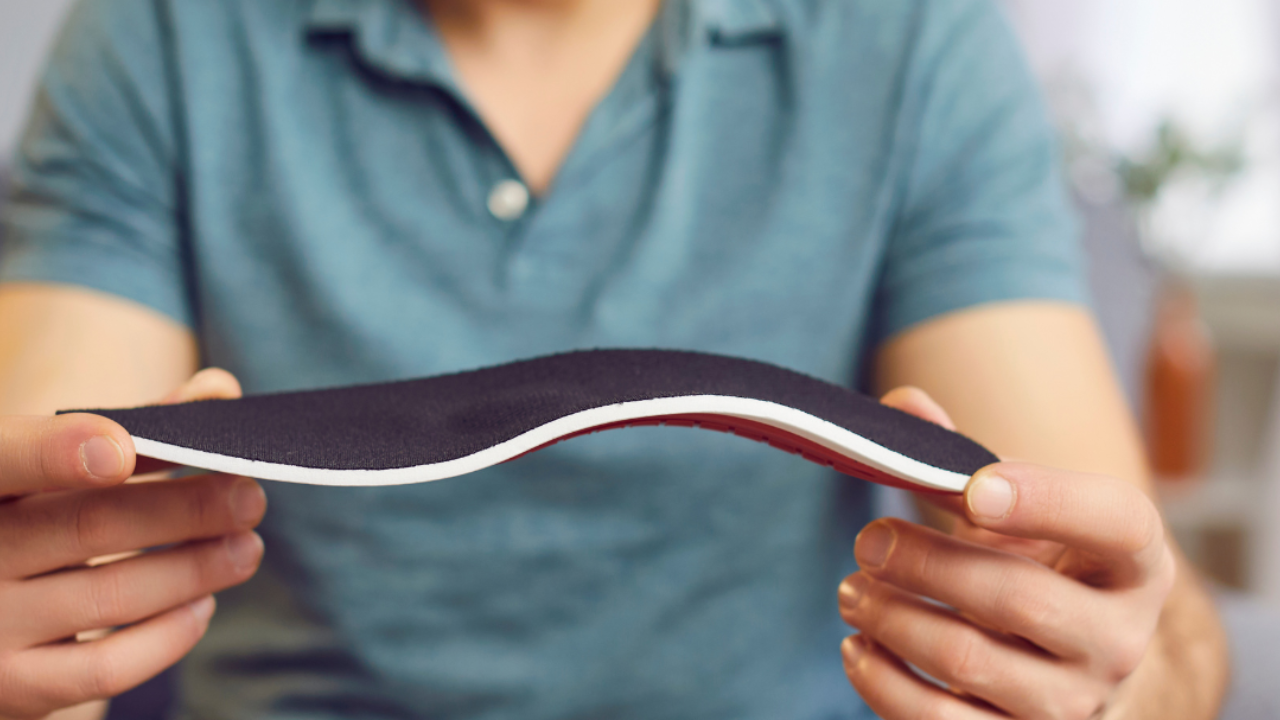
We see it all the time: someone is told they have “flat feet” and that they need arch support before they even take a few steps in the clinic. As movement-focused practitioners, we know it’s more nuanced than that. Flat feet are not a diagnosis, and arch supports are not automatically the solution.
...Introduction
A bunion (Hallux Valgus or Hallux Abducto Valgus) isn’t just a bump, it’s a progressive deformity involving the entire forefoot. It occurs when the first metatarsal drifts inward and the big toe angles outward, creating that familiar prominence at the base of the toe. Over time, this m...

Sport is woven into our Australian culture, but it also comes with a cost. Here are the facts:
Just over 62 100 sports‑injury hospitalisations were recorded in Australia in 2023 to 24, with males accounting for about 70 % of all cases [1]. Rates peak in adolescence; males aged 15 -19 years experien...
By Tracy, The Stabilisation Academy
Foot and ankle rehab is at a turning point. Many health professionals continue to rely on traditional, isolated exercises like calf raises, theraband drills, and short-foot training. While these have their place, they often fall short in addressing the complex ne...
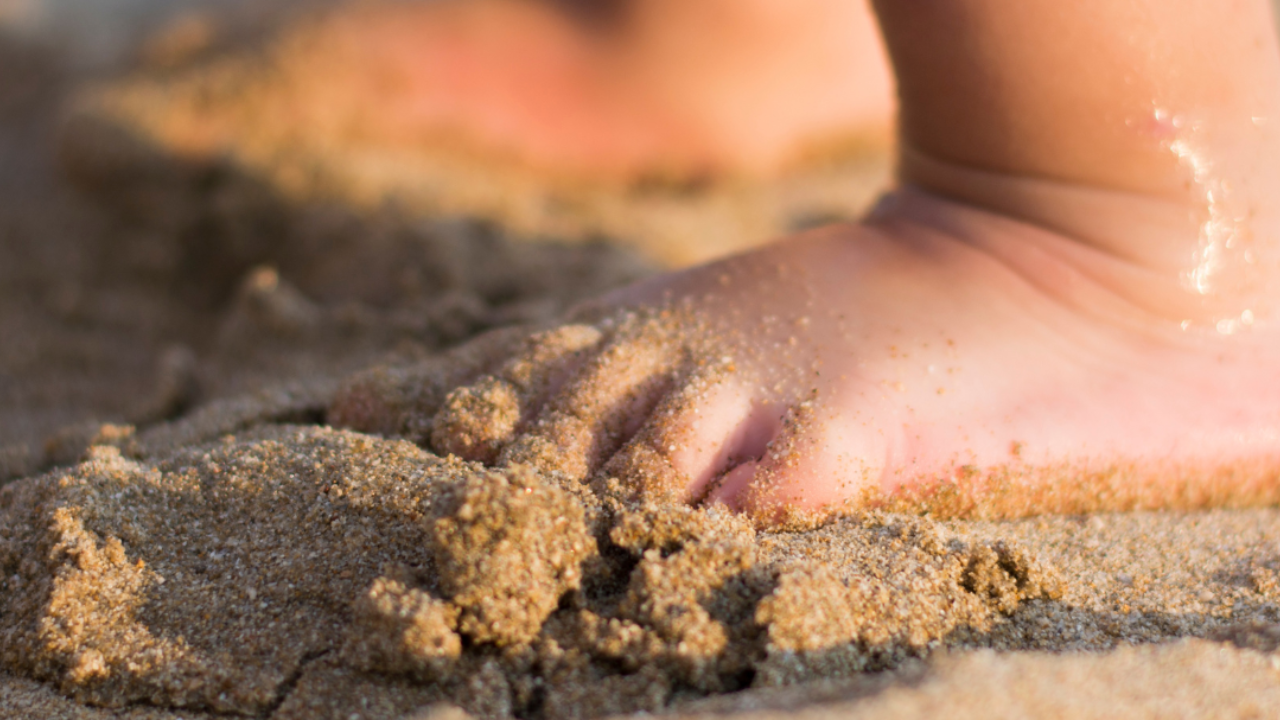
Flat feet. Toe-walking. Collapsing arches. It’s easy to see why pediatric foot posture sparks concern — not just for parents, but for clinicians too. But when we view foot development through a Dynamic Neuromuscular Stabilisation (DNS) lens, we see a different story: one where motor control, not foo...

Foot and Ankle: The Foundations of Gait
The foot and ankle form the literal foundation of human movement, yet they are one of the most complex areas of the body. Each foot contains 26 bones (about a quarter of all the bones in your body), connected by 33 joints and over 100 muscles, tendons, and...
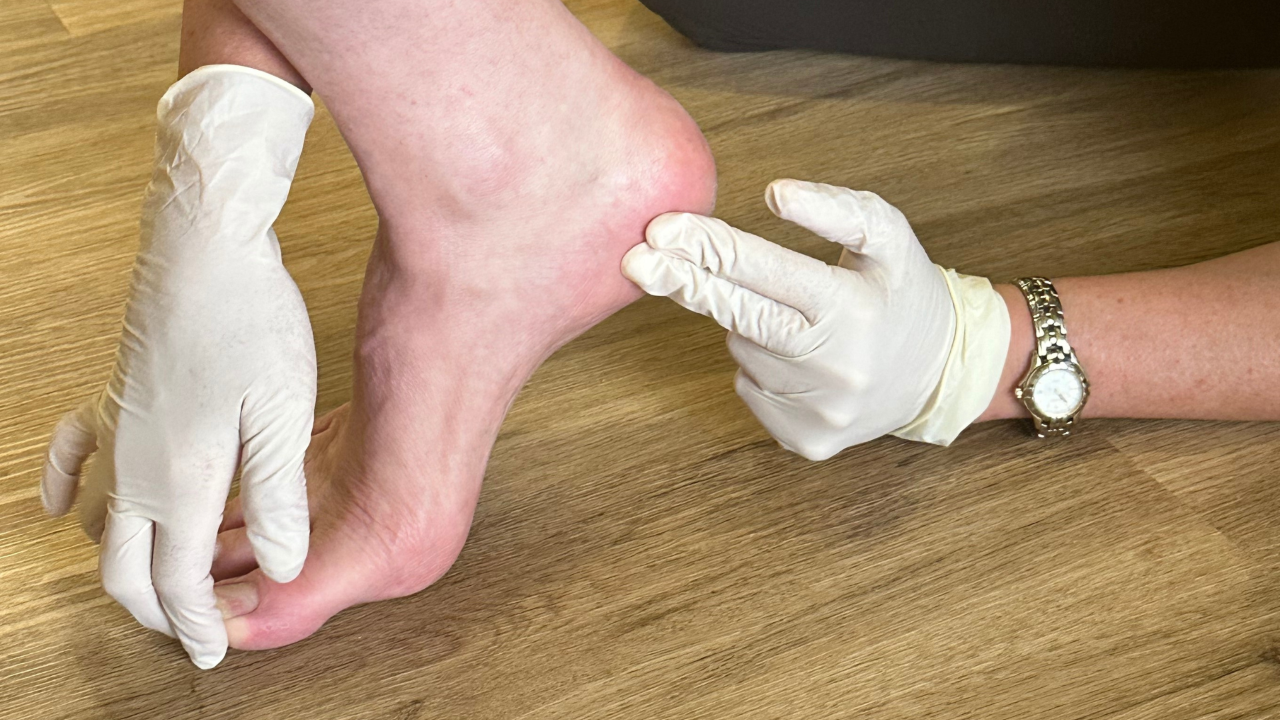
The Achilles tendon is often viewed as a localized site of injury – a sore heel cord that just needs calf stretches or eccentric heel drops. However, modern rehab understanding challenges this isolated view.
The Achilles is not merely a passive rope at the back of your ankle; it’s a functional hub ...